
The New Creative Edge Is Judgment
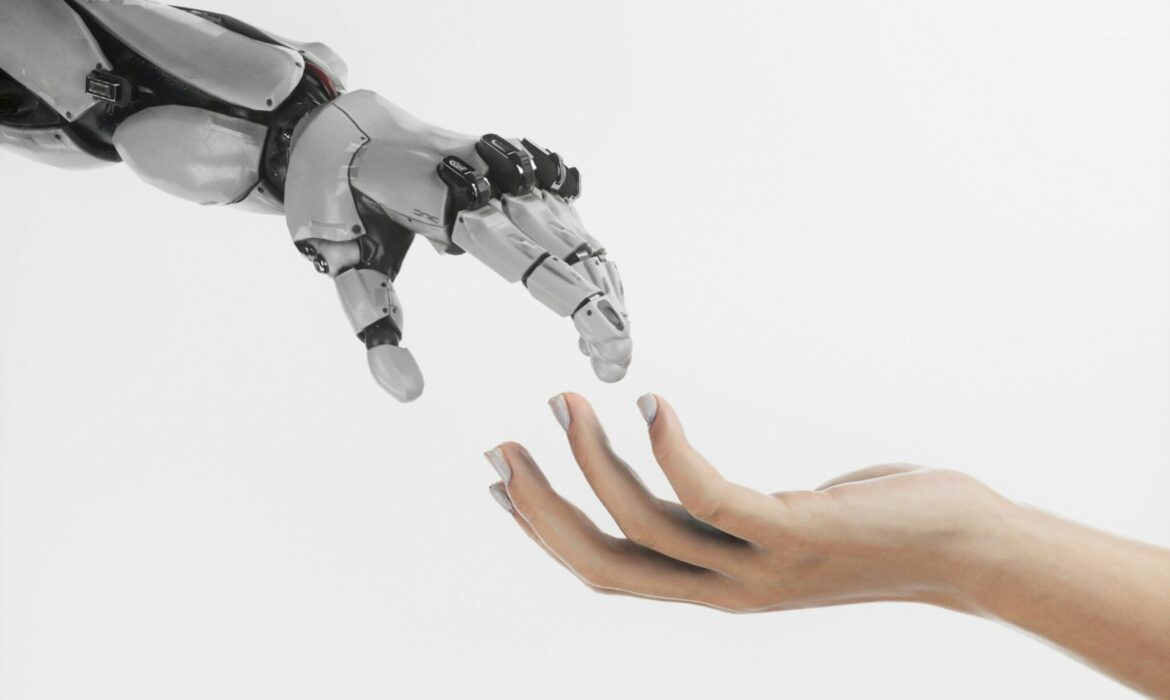
A founder sits with a coffee, opens an AI tool, writes a few prompts and gets twenty logo directions, five landing page layouts, a campaign line, a product mockup and a pitch deck cover before the team has even joined the morning call. What used to take days now happens in minutes. For anyone building a brand, a product or a digital experience, this feels powerful. It is powerful. But it also creates a new problem that most teams are not ready for.
When everyone can generate, generation is no longer the advantage.
The real advantage is knowing what to keep, what to reject and what deserves to exist in the first place. This is where design is changing. The conversation in leading design and technology circles has moved beyond speed. AI has made creative production cheaper, faster and more accessible. But it has also made the world visually louder. More websites now look polished. More brand language sounds professional. More interfaces feel clean. Yet many of them feel strangely empty, because they were created without a real point of view.
This is not a small issue. McKinsey’s 2025 global AI research shows that organisations are using AI more widely, but many are still struggling to move from experimentation to measurable value. The problem is not only the technology. It is how organisations decide where AI fits, how humans validate its output and how new tools become part of real work. In design, the same pattern is visible. AI can produce options, but it cannot automatically create meaning, trust or relevance.
A useful example is the rise of AI generated brand identities. A small business can now create a logo, colour palette, tagline and social media kit almost instantly. That removes an old barrier, which is a good thing. But it also creates a market full of brands that look assembled rather than understood. The logo may be balanced. The colours may be trendy. The copy may sound smooth. Still, something is missing. The brand does not carry memory. It does not reveal the founder’s belief, the customer’s tension or the cultural context of the market.
This is where taste becomes a business skill, not a design luxury.
Taste is not about liking beautiful things. Taste is the discipline of choosing with context. It is knowing when a design feels expensive but distant, when a phrase sounds smart but says nothing, when a user journey is simple on the screen but confusing in real life. It is the ability to sense what fits the brand, the audience, the market and the moment. AI can help explore possibilities, but taste decides which possibility should become real.
Look at customer service chatbots. A few years ago, they were mostly scripted tools that answered basic questions. Now, AI assistants can respond with more fluency, more confidence and more personality. But that creates a deeper design challenge. If a banking assistant sounds too casual, it may damage trust. If a healthcare assistant sounds too certain, it may create risk. If a government service assistant sounds too robotic, citizens may feel ignored. The design question is no longer only “where should the button go?” The question is “how should this system behave when people depend on it?”
That is why the future of design will not be owned by people who only know how to make things look good. It will belong to teams that understand behaviour, trust, language, culture and systems. A modern design studio needs to work across strategy, experience and execution. It needs to help leaders clarify what they are trying to build before the first screen is designed. It needs to help teams understand the human journey before they automate it. It needs to create brands that can survive beyond a launch campaign.
This is especially relevant in the Middle East and South Asia, where transformation is moving fast. The Middle East digital transformation market is projected to grow from USD 71.64 billion in 2026 to USD 146.09 billion by 2031. That means more digital platforms, more AI enabled services, more customer journeys, more public sector redesign, more hospitality experiences, more education platforms and more brand reinvention. But speed will not be enough. The region does not need more generic digital interfaces. It needs experiences that understand ambition, culture, service quality and trust.
A Saudi real estate brand, a UAE government platform, a Pakistani fintech, a university, a healthcare network and a technology company entering a new market do not need the same design language. They may use similar tools, but they cannot carry the same personality. Their users do not arrive with the same expectations. Their markets do not move with the same rhythm. Their brands should not sound like they were generated from the same prompt.
This is the opening for a different kind of design studio.
The next studio is not just a place that produces visuals. It is a place that helps organisations think better, decide better and express themselves with more confidence. It knows when to use AI for speed, when to use facilitation for alignment and when to slow the room down so the right question can finally appear. It understands that a brand is not a logo, a website is not a strategy, and digital transformation is not a software purchase.
At Reach X, we see AI as a creative accelerator, not a replacement for human judgment. It can help teams move faster. It can help explore more directions. It can remove some of the early friction from creative work. But it cannot replace the human ability to read the room, understand the customer, sense the market and choose what feels true.
The future will be full of generated design. The work that matters will still need taste. Because in a world where everyone can make something, the real question is no longer “can we create it?” The real question is “should this be the thing people remember us for?”

